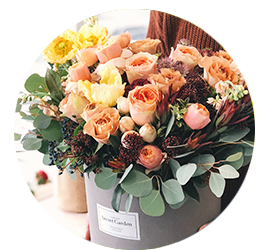
Insider tips to cut corporate flower costs in Yiewsley
Posted on 10/10/2026
If you're managing flowers for an office, reception, hotel, venue, clinic, showroom, or event space, the bill can creep up faster than you expect. One week it's a welcoming arrangement for the front desk, the next it's staff birthdays, client meetings, and a last-minute thank-you delivery. That is exactly where the smartest insider tips to cut corporate flower costs in Yiewsley come in: not by making everything look cheap, but by making every order work harder.
In Yiewsley, where businesses often want polished flowers without waste, the real savings usually come from planning, product choice, delivery timing, and a few simple ordering habits. Let's face it, most companies do not need "more flowers". They need the right flowers, at the right time, in the right format, for the right spend. This guide walks through the practical side of doing that well.
You'll learn how corporate flower budgets are really built, where overspending tends to happen, how to choose arrangements that look premium without blowing the budget, and how to set up a repeatable system that keeps things tidy month after month. There's also a useful checklist, a comparison table, and a realistic example from a local business-style scenario.
Quick takeaway: the best savings usually come from consistency, not cutting corners. A well-managed floral plan often looks better and costs less than ad hoc ordering.
Why Insider tips to cut corporate flower costs in Yiewsley Matters
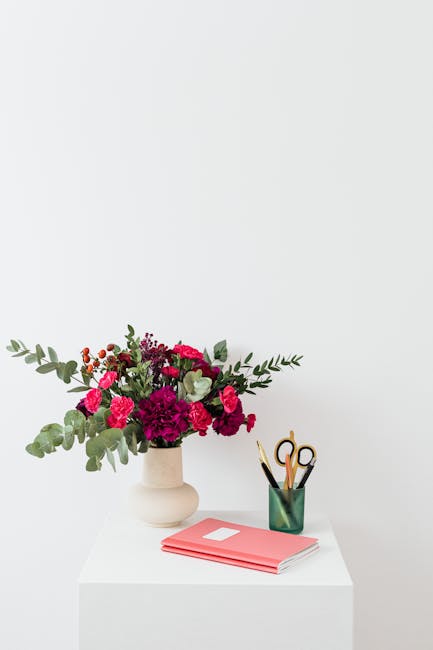
Corporate flowers are one of those spending lines that looks small in isolation, then quietly becomes a pattern. A reception arrangement here, a boardroom bouquet there, a sympathy tribute, a client gift, seasonal decor for the office. Individually? Fine. Together? They can take a surprising chunk out of a monthly budget.
For businesses in Yiewsley, this matters for a few reasons. First, the area has a practical, local-business feel: people notice presentation, but they also notice waste. Second, many companies want reliability more than extravagance. Flowers need to arrive on time, look presentable, and last long enough to do their job. Nobody wants a huge showpiece that droops by Thursday morning. Bit awkward, that.
Good cost control also protects brand consistency. If your flowers are meant to make clients feel welcomed, rushed or inconsistent ordering sends the opposite message. A smart floral plan keeps the look steady, the spend predictable, and the admin less messy. That is especially useful for offices with multiple departments, hospitality teams, or sites that need regular deliveries.
There's also the local angle. In a place like Yiewsley, where businesses may be balancing close margins and sensible overheads, corporate floristry should feel like a support service, not an indulgence. You want impact without excess. You want freshness without waste. And you want to avoid the classic trap: paying premium prices for arrangements that could have been planned more efficiently.
Key point: cutting floral costs is not about reducing standards. It's about spending with intention.
How Insider tips to cut corporate flower costs in Yiewsley Works
The basic idea is simple: instead of ordering flowers reactively, you build a repeatable process that matches spend to purpose. That means deciding what the flowers are for, how often they are needed, what level of impact is actually required, and where you can use smarter alternatives.
In practice, this usually falls into a few cost-saving levers:
- Frequency control: fewer unnecessary orders, better-timed deliveries.
- Format control: choosing arrangements that suit the space, not just the occasion.
- Flower choice: using robust, seasonal, or longer-lasting stems where possible.
- Size control: avoiding overspecification for spaces that don't need large displays.
- Delivery planning: grouping orders to reduce rush costs or repeated drop-offs.
- Account management: using a corporate account or repeat-order structure for easier budgeting.
One thing that often surprises people is how much waste comes from over-briefing. A business asks for "something impressive" and ends up paying for flowers that are too large, too delicate, or simply more elaborate than the setting needs. A reception desk in a bright, modern office might look better with a neat, low arrangement than with a towering display that blocks sightlines. Common sense, really.
Another part of how it works is standardisation. If your business has a small set of flower needs-say weekly reception flowers, monthly client gifts, and occasional sympathy or celebration bouquets-you can create a simple purchasing rhythm. That makes ordering faster and it also reduces panic buying, which is where budgets tend to leak.
If your company also sends flowers online for staff or customers, a broad catalogue can help you keep spending in check by selecting from budget-friendly ranges when the occasion allows. For example, a practical corporate order might use a more restrained selection from cheap flowers in Yiewsley for internal welcome gestures, while reserving something more polished for senior client gifting.
Key Benefits and Practical Advantages
When businesses get floral spending under control, the upside is bigger than the savings themselves. In many cases, a better system improves presentation, speeds up admin, and reduces the number of last-minute decisions that everyone regrets at 4:45 pm on a Friday. You know the sort.
- Lower spend without looking cheaper: thoughtful arrangements often beat oversized ones.
- Better predictability: fixed ordering habits make budgeting far easier.
- Less waste: fewer unsuitable flowers, fewer unused extras, fewer repeats.
- Stronger brand feel: your premises look considered and consistent.
- Less internal admin: a single process is easier than ad hoc requests.
- Improved supplier relationship: regular, clear orders are easier to fulfil well.
There's also a practical workplace benefit: staff tend to notice when a space feels cared for. A well-placed arrangement at reception or in a meeting room lifts the atmosphere without shouting about it. It's a small thing, but small things add up.
For businesses with visiting clients, flowers can also quietly support trust. No one walks in and says, "What lovely flower strategy you've got here," but they do notice when a space feels calm, tidy, and professionally maintained. The cost savings are great, of course. The side effect is better presentation.
Expert summary: the most efficient corporate flower plans are usually boring in the best possible way. They are repeatable, sensible, and easy to maintain. That is what keeps costs down.
Who This Is For and When It Makes Sense
This approach makes sense for any organisation that orders flowers more than once in a blue moon. In Yiewsley, that often includes offices, estate agents, salons, healthcare practices, hotels, nurseries, restaurants, coworking spaces, event venues, and property developers. It also applies to smaller firms that only order occasionally but still want a polished result without overspending.
It is especially useful if:
- you have regular reception or desk flowers;
- you send staff celebration bouquets;
- you need client thank-yous or seasonal gifting;
- you buy sympathy flowers or memorial arrangements on behalf of the business;
- your team currently orders flowers reactively, which usually means paying more than necessary;
- you're trying to create a better office look without increasing overheads.
If your business only orders one bouquet a year, the savings opportunity is limited. But if you place orders every month, or even every fortnight, the money difference can be real. The bigger the pattern, the bigger the win. Simple as that.
It also makes sense when a company has more than one decision-maker. Multi-person ordering often leads to mixed tastes, duplication, and "just get the nicest one" requests. That phrase is lovely in theory and wildly unhelpful in practice. A framework solves that.
Step-by-Step Guidance
1. Map your actual flower needs
Start by listing every reason your business buys flowers. Reception. Birthdays. Client gifts. Sympathy. Seasonal decor. Event styling. Once you see the full picture, the waste often becomes obvious. Maybe you are buying too many one-off bouquets but not enough reusable "standard" arrangements. Or maybe the opposite: you're paying for reception flowers that are too fancy for the room.
2. Separate "must look premium" from "must simply look nice"
This distinction saves money fast. A client-facing boardroom might justify a more refined arrangement. A staff kitchenette probably doesn't. If every space gets the same level of spend, the budget starts wobbling for no good reason. Be honest about the role of each arrangement.
3. Choose robust, good-value flowers where appropriate
Some stems are naturally better value because they last well and hold shape. Mixed seasonal flowers, carnations, alstroemeria, chrysanthemums, and certain spray styles can deliver a full look without requiring premium-price blooms every time. The trick is not to chase the cheapest thing on the page; it's to choose flowers that still photograph well, age gracefully, and suit the setting.
4. Standardise a few arrangement sizes
Instead of asking for something new every time, define a handful of formats. For example: small desk arrangement, medium reception arrangement, premium client bouquet, and sympathy tribute. Standardisation cuts decision time and helps the supplier prepare orders efficiently. It also makes future budgeting much easier.
5. Group deliveries where sensible
If you have multiple locations or recurring deliveries, combine them where possible. A repeated same-day scramble is rarely the cheapest route. If timing is flexible, next-day or planned delivery can be far better value. It sounds obvious, but people forget this part when the calendar gets full.
6. Use a corporate account or repeated ordering pattern
A proper corporate ordering setup can simplify approvals, invoicing, and budget tracking. That means fewer random card payments and less chasing receipts. If your business also needs gifting, sympathy, or occasion-based flowers, it helps to keep the full spend visible in one place. You can explore a structured approach through corporate accounts if you want a more organised way to manage repeat orders.
7. Review every quarter
Once you have a process, review it every few months. Ask what is being used, what is being wasted, and where the spend feels heavy. A tiny adjustment-different stem choice, smaller size, fewer deliveries-can save more than you'd expect over a year.
Expert Tips for Better Results
If you want the savings to stick, these are the sort of practical tweaks that make a real difference.
- Use florist choice when flexibility is acceptable. It lets the florist work with the best available value and quality balance. For routine internal use, this is often a smart move.
- Reserve luxury flowers for visible moments. Keep premium blooms for major client visits, celebrations, or key branded areas.
- Pick colours strategically. White, mixed colours, soft pinks, and seasonal palettes can feel polished without forcing expensive stem combinations.
- Think in terms of visual volume, not stem count. Some flowers create a fuller look for less money.
- Match vase or container style to the setting. A well-chosen vase can make a modest arrangement feel much more intentional. It's a small cheat, but a tidy one.
- Ask for longer-lasting options where appropriate. Longer life means fewer replacements and better value per day.
- Use flowers as part of a wider gifting plan. If you already send employee or client gifts, combining flowers with cards or simple add-ons can sometimes improve impact without needing a larger bouquet.
One little local-business habit that works well: set one person to approve floral spend. Not every order, just the framework. Otherwise you end up with six opinions, four urgent requests, and a budget that looks like it went through a hedge backwards.
Another smart move is to create "event tiers". A routine Monday delivery should not be treated like a VIP launch or anniversary arrangement. Different moments deserve different spend levels. That's not stingy. It's sensible.
Common Mistakes to Avoid
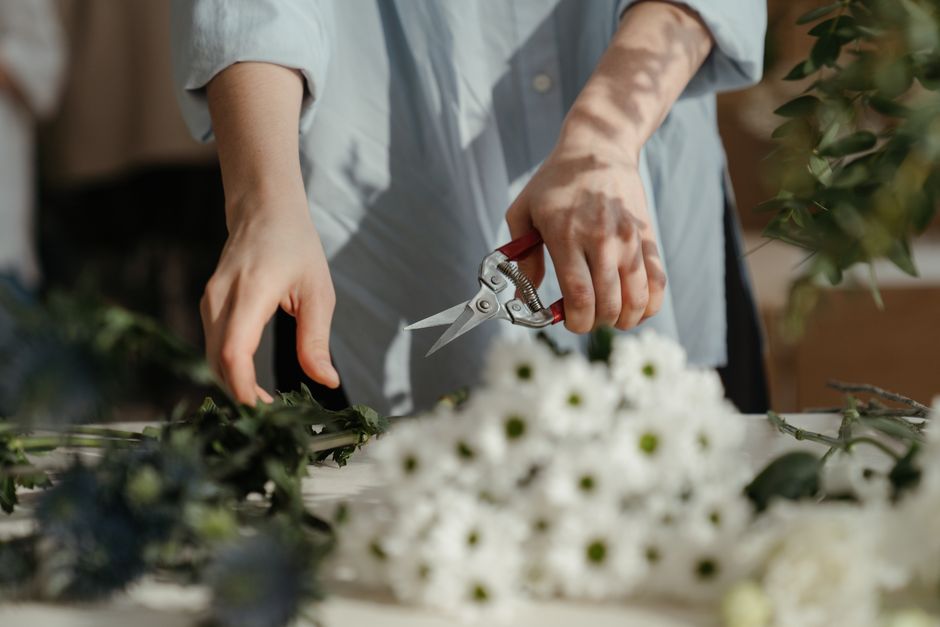
A lot of flower budgets get wasted in fairly predictable ways. The good news is that once you spot them, they are easy to reduce.
- Ordering too late: rush decisions usually cost more and limit choice.
- Oversizing arrangements: bigger is not always better, especially in small or busy spaces.
- Using premium blooms for routine tasks: lovely, but not efficient.
- Not checking delivery timing: missed timing can lead to re-delivery fees or awkward presentation.
- Changing the brief every time: inconsistency makes it harder to plan spend.
- Ignoring vase life: a cheaper bouquet that lasts three days can be worse value than a slightly pricier one that holds for a week.
- Ordering on impulse for the "nice touch" factor: nice touch is good. Unplanned budget drift, not so much.
The most common mistake of all? Thinking cost-cutting means asking for the cheapest arrangement available. That approach often backfires. You get flowers that look thin, don't last, and need replacing sooner. Better to aim for strong value, not the lowest sticker price.
Tools, Resources and Recommendations
You do not need fancy software to manage flower spend well, although a simple system helps. In most cases, a spreadsheet, shared calendar, or procurement log is enough. What matters is that someone can see what was ordered, for whom, when, and why.
Useful tools and habits include:
- A monthly ordering calendar: useful for birthdays, meetings, events, and regular refreshes.
- A spend tracker: helps you spot patterns and budget creep.
- A short internal brief template: colour preferences, size, delivery instructions, and budget ceiling.
- A photo reference library: saves time when staff want "that one from last month".
- A standing approval route: stops duplicate or conflicting orders.
On the product side, it can help to browse options by budget and use case rather than by occasion alone. For example, a business wanting a sensible value range might look at budget flowers for everyday office use, or browse florist choice arrangements when flexibility is more important than exact stem selection.
For broader gifting, corporate-friendly options such as corporate gifting can be useful because they align the floral order with the purpose, rather than forcing a one-size-fits-all bouquet.
If your team often sends flowers to staff or clients with the rest of the order, it also helps to understand care and presentation after delivery. A well-timed flower care guide can make arrangements last longer, which quietly improves value.
Law, Compliance, Standards, or Best Practice
For most businesses, flower buying is not a heavily regulated activity. Still, there are a few sensible best-practice points worth keeping in mind. These are less about legal drama and more about running a tidy, trustworthy operation.
First, if flowers are bought for staff, clients, or events, make sure your internal approval process is clear. In a small office, that may be a simple budget limit and one approving manager. In a larger organisation, it may involve purchasing controls or expense rules. The exact process varies, but ambiguity is usually what causes the headaches.
Second, if you are receiving flowers for delivery to a business premises, keep delivery instructions accurate. Reception hours, access codes, loading areas, and contact names matter. Missed deliveries waste money and can create a poor impression. Nobody likes a box of flowers sitting in the wrong place while everyone searches for the courier.
Third, be careful with claims, sustainability expectations, or supplier assurances. If a supplier says arrangements are sourced with a certain environmental approach, ask for the detail you need and keep it practical. A useful policy statement is better than a vague promise. If your business values ethical sourcing, you may also want to review the supplier's general commitments on sustainability and related company information such as about us.
Finally, if you handle customer data, delivery details, or internal contacts through ordering systems, privacy and payment handling should be treated carefully. That part is not glamorous, admittedly, but it matters.
Options, Methods, or Comparison Table
Different ordering methods suit different business needs. The table below gives a simple, practical comparison.
| Method | Best for | Cost control | Pros | Trade-offs |
|---|---|---|---|---|
| Ad hoc ordering | Occasional one-off needs | Low | Fast to start | Harder to budget, more impulsive spending |
| Standardised weekly or monthly plan | Reception, office decor, regular gifting | High | Predictable, easier to manage, less waste | Needs a little planning upfront |
| Corporate account setup | Multiple users or repeat orders | High | Better visibility, simpler invoicing, clearer approvals | Requires internal discipline |
| Premium-only ordering | VIP events or brand launches | Low to medium | Strong visual impact | Can get expensive quickly if used too often |
| Budget-first ordering | Internal spaces and routine use | Very high | Good value, easy to repeat | Needs careful selection to avoid looking sparse |
If you're unsure where to start, a standardised weekly or monthly plan is usually the most balanced option. It gives you enough structure to cut waste, but still enough flexibility to respond to busy periods.
Case Study or Real-World Example
Here's a realistic example from the kind of situation many Yiewsley businesses face.
A small office with a visible reception area was ordering flowers whenever someone remembered-usually just before a client visit or after the previous arrangement had already gone a bit tired. Some months they spent more than expected because they needed same-day replacements. Other months they forgot entirely, which made the reception feel oddly bare. Nothing dramatic, just a bit patchy.
The fix was straightforward. They created a simple plan:
- a recurring delivery schedule for reception flowers;
- a standard medium size for normal weeks;
- a slightly larger arrangement only for client-heavy weeks;
- budget-friendly stems for internal use;
- one person responsible for approvals.
They also started matching flower type to purpose. The reception had neat, longer-lasting arrangements, while internal thank-yous used simpler bouquets. That meant fewer panic orders and fewer "we need something today" calls.
The result was not flashy, and that was the point. The office looked better, the spend was easier to predict, and the flowers were more consistent from week to week. That's usually what businesses want anyway. Not drama. Just good presentation that doesn't drain the budget.
Practical Checklist
Use this quick checklist before each corporate flower order.
- Have I defined the purpose of the flowers?
- Is this arrangement for a premium client space or a routine area?
- Could a smaller or simpler design work just as well?
- Have I chosen flowers that suit the room and last well enough?
- Is the delivery timing sensible, or am I paying for a rush?
- Does this order fit a repeatable budget pattern?
- Have I checked whether florist choice would be acceptable?
- Is there a clear approval route for this spend?
- Do I know who is receiving it and where it should go?
- Will the arrangement still look good after a few days, not just on arrival?
If you can tick most of those boxes, you are probably spending more efficiently already. And if not, no panic. This stuff is easy to improve once you have a process.
Conclusion
The best insider tips to cut corporate flower costs in Yiewsley are not really secrets at all. They're practical habits: plan ahead, choose the right flower type for the job, standardise what you can, and stop treating every order like a special one-off. That is where the money leaks tend to stop.
For most businesses, the real aim is a balance: flowers that look professional, feel thoughtful, and do not create avoidable overhead. Once you build a simple ordering rhythm, the whole thing becomes less stressful. More predictable. Much easier to defend in a budget meeting, too.
If you're ready to make corporate flower spending more efficient, start with one area of the business, one recurring order, and one budget limit. Small changes usually lead to the biggest savings. Bit by bit, it adds up.
Get a free quote today and see how much you can save.
Frequently Asked Questions
How can a business cut flower costs without making the arrangements look cheap?
Focus on value, not the lowest price. Choose flowers that last well, use sensible sizes, and match the arrangement to the space. A smaller, well-shaped display often looks better than a larger, awkward one.
What are the best flowers for corporate use if I want to save money?
Longer-lasting, good-value flowers such as carnations, alstroemeria, chrysanthemums, and mixed seasonal stems are often practical choices. The best option depends on the look you need and how long the flowers need to last.
Is it cheaper to order corporate flowers on a schedule?
Usually, yes. A schedule helps reduce rush orders, repeat admin, and waste. It also makes it easier to plan around delivery timing and budget limits.
Should we use florist choice for office flowers?
Often, yes, if flexibility is acceptable. Florist choice can improve value because the florist can use the best available stems and build the arrangement around seasonal supply.
How often should a business refresh reception flowers?
That depends on the space, the season, and the type of flowers used. Many businesses choose weekly or fortnightly refreshes, but longer-lasting arrangements may allow less frequent changes.
Are corporate accounts worth it for flower orders?
If you order regularly, they often are. Corporate accounts can make approvals, invoicing, and budget tracking much easier, especially when several people place orders.
What is the biggest mistake companies make when buying flowers?
Ordering reactively. Last-minute buying tends to cost more and usually leads to less suitable choices. A simple plan almost always works better.
Can we save money by choosing smaller bouquets for staff gifting?
Yes, if you choose them carefully. A smaller bouquet with good shape, strong colour, and decent vase life can still feel thoughtful. It doesn't have to be oversized to be appreciated.
How do I keep corporate flower costs predictable month to month?
Use standard sizes, a set approval process, and a monthly spend tracker. It also helps to define which occasions justify premium spending and which do not.
Do delivery options affect corporate flower costs much?
They can. Same-day or rushed deliveries may cost more, and repeated separate deliveries can add up. Planning deliveries in advance usually helps keep costs under control.
What should I ask a florist before setting up a business flower plan?
Ask about value ranges, recurring delivery options, seasonal availability, vase life, and whether they can tailor arrangements to different spaces. That gives you a better sense of what's practical, not just pretty.
How do I decide between premium and budget flowers for the office?
Use premium flowers where impression matters most, such as client-facing areas or special events. Use budget-friendly, reliable options in routine spaces where consistency matters more than luxury.